Experienced Roofing Contractor for Sturdy Fixes
Securing an seasoned roofing contractor is necessary for obtaining long-lasting solutions. Their skills and understanding of materials can significantly influence a home's durability and maintenance. A qualified contractor not only follow industry standards but also gives insights into ideal choices for individual needs. Being aware of the benefits and processes involved in selecting the right contractor prompts important questions. What should homeowners consider before making their decision?
Why Opt for an Expert Roofing Contractor?
When homeowners look for roofing solutions, selecting an experienced contractor can greatly influence the quality and durability of the final result. Experienced contractors possess a abundance of expertise about various roofing materials and techniques, allowing them to recommend the optimal options tailored to specific needs. Their knowledge guarantees that installations adhere to industry standards, reducing the likelihood of future issues.
Furthermore, veteran contractors often have established relationships with suppliers, allowing them to procure high-quality materials at competitive prices. This can result in a more cost-effective project without sacrificing quality.
Additionally, seasoned contractors commonly offer warranties on their work, affording homeowners with peace of mind. This confidence reflects their trust in the quality they deliver. Ultimately, choosing an veteran roofing contractor not only improves the immediate outcome but also contributes to the long-term performance and safety of the home.
How to Spot When You Need to Contact a Roof Professional?
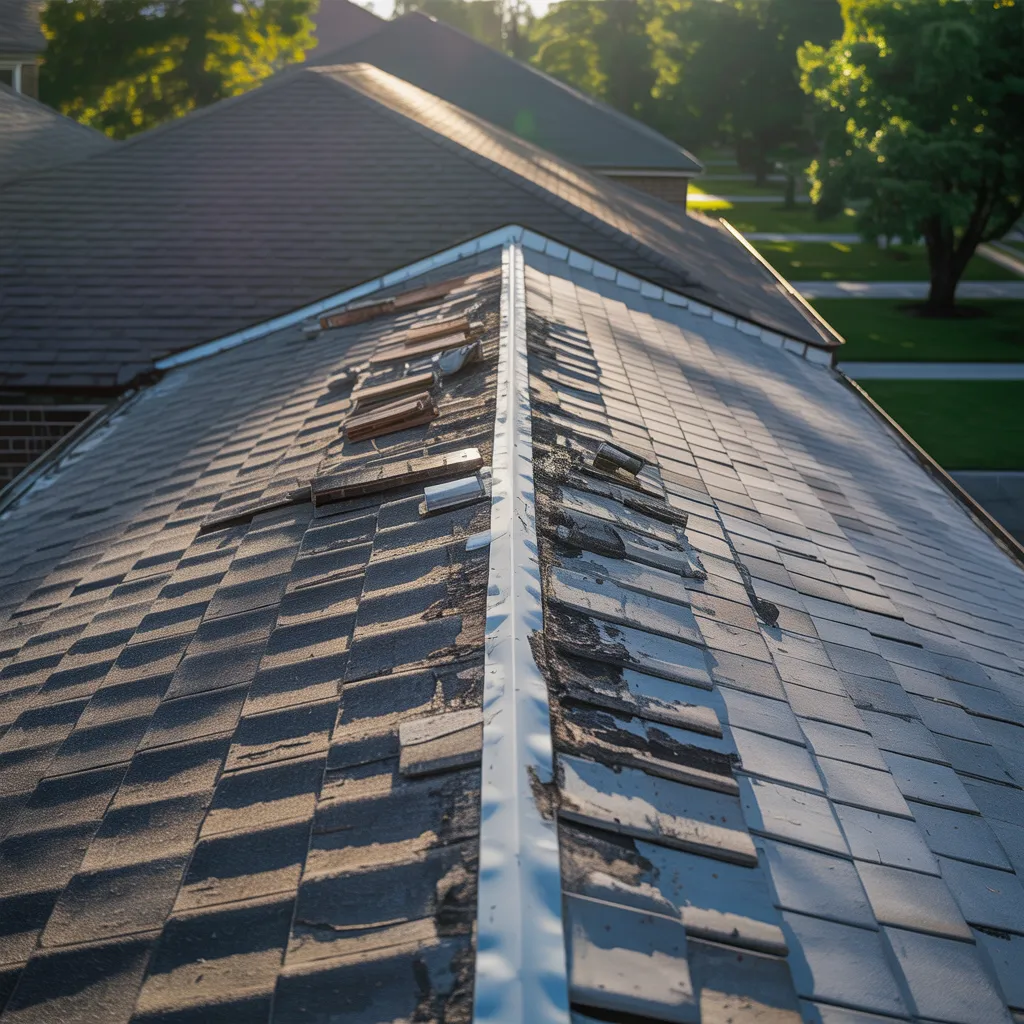
In what ways can a homeowner identify the right moment to call a roof contractor? Noticing the red flags of roof deterioration is vital for maintaining a safe and reliable home. Residents should stay conscious of loose, split, or bent shingles, which indicate likely damage. Furthermore, the presence of moisture damage on ceilings or walls may signal water damage that need immediate attention. A declining roofline is yet another serious warning sign, typically pointing to foundational damage in the underlying structure.
Moreover, escalating power bills can signal poor insulation or inadequate ventilation resulting from roofing issues. Consistent inspections after severe weather events such as storms or heavy snowfall are important to catch any emerging concerns in a timely manner. If any of these warning signs are detected, it is suggested to consult a experienced roofing contractor to evaluate the situation and advise required repairs or replacements. Prompt action can stop extra damage and guarantee the longevity of the roof.
Advantages of Working with a Skilled Roofing Contractor
Hiring a professional roofing contractor presents substantial benefits, particularly in technical knowledge and ability. These contractors are trained to tackle multiple roofing problems while maintaining the use of premium materials. Therefore, this leads to long-lasting and trustworthy roofing options that can resist the test of time.
Mastery And Strengths
Although many homeowners may consider tackling roofing projects themselves, the skills and proficiency of a professional roofing contractor can greatly enhance the outcome. These specialists have specialized training and vast experience, enabling them to spot potential issues that an untrained eye might overlook. Their mastery of various roofing techniques guarantees proper installation, which is vital for longevity and durability. Furthermore, professional contractors stay updated on the latest industry standards and safety regulations, reducing risks during the project. By utilizing their skills, homeowners can avoid costly mistakes often associated with DIY attempts. Ultimately, hiring a roofing contractor not only leads to higher-quality work but also provides peace of mind, knowing that the roofing system is in capable hands.
Superior Materials Verification
A professional roofing contractor contributes not only expertise but also availability of high-quality materials that substantially shape the strength and operation of a roof structure. By sourcing materials from reputable manufacturers, these contractors pledge that clients receive products created to handle environmental stresses, such as severe weather patterns. This dedication to superior standards decreases the odds of repairs or replacements in the future, offering homeowners peace of mind. In addition, professional contractors are knowledgeable about the most current professional practices and innovations, allowing them to recommend materials that enhance fuel economy. Ultimately, the choice to hire a experienced roofing professional assures that the roof installation is completed with excellent-quality products, resulting in a reliable and long-lasting roofing solution.
Categories of Roofing Materials and Their Resilience
In reviewing roofing choices, different materials present specific advantages regarding to durability. Asphalt shingles, known for their cost-effectiveness, deliver a dependable solution, while metal roofing offers improved longevity and resistance to severe weather. Moreover, tile roofing is lauded for its outstanding durability, making it a worthwhile selection for homeowners seeking lasting protection.
Asphalt Shingles Summary
Numerous property owners opt for asphalt shingles due to their balance of cost-effectiveness and longevity. These shingles, constructed primarily of asphalt and fiberglass, deliver a adaptable roofing solution. They are offered in a variety of styles and colors, allowing homeowners to adjust their roofs to match their design preferences. The average lifespan of asphalt shingles ranges from 15 to 30 years, depending on the quality and installation. Additionally, they perform admirably in various weather conditions, enduring wind and rain effectively. Maintenance is comparatively straightforward, often requiring only periodic inspections and cleaning. As a popular roofing material, asphalt shingles also offer good fire resistance, contributing to their appeal among homeowners seeking reliable and cost-effective roofing options.
Metal Roof Perks
While many homeowners desire durability in roof options, metal roofing excels as an exceptional choice. Known for its impressive longevity, metal roofs can last 40 to 70 years, considerably outpacing traditional options like asphalt shingles. They are impervious to a range of weather conditions, including heavy rain, snow, and wind, making them ideal for diverse climates. Additionally, metal roofing reflects solar heat, contributing to energy efficiency and lowering cooling costs. Its lightweight nature allows for easier installation and less structural strain. Offered in a range of styles and colors, metal roofs also improve a home's aesthetic appeal. With minimal maintenance requirements, metal roofing proves to be a smart investment for homeowners prioritizing durability and sustainability.
Tile Robustness Analysis
Tile roofing offers another strong choice for homeowners hunting for permanent solutions. Noted for its strength, tile roofing can resist difficult weather situations, like strong sunlight, substantial rain, and powerful winds. Concrete and clay tiles are the most common types, each presenting distinct strengths. Clay tiles are fire-proof and can last over 100 years, while concrete tiles furnish value and flexibility in design. Both types need little maintenance and are immune from rot and insects. Moreover, tile roofing boosts thermal efficiency by deflecting sunlight, reducing cooling costs. Nevertheless, it is critical to review the weight of tile roofing, as it may demand supplementary structural support. Overall, tile roofing represents a prudent choice for permanence and lasting durability.
Reviewing Roofing Work: Critical Quality Factors
When evaluating the quality of roofing work, several key indicators emerge that can greatly affect a project's longevity and performance. First, the materials used must meet professional guidelines; high-quality materials guarantee durability and withstand environmental stressors. Second, the installation technique is vital; improper installation can lead to water damage and structural issues, regardless of material quality. Third, careful consideration in flashing and sealing can avoid water intrusion, a common cause of damage.
Moreover, the existence of sufficient ventilation is crucial, as it assists in controlling temperature and humidity within the roof structure. Finally, a trusted professional will provide warranties for both components and labor, reflecting trust in their work. By evaluating these indicators, property owners can make well-considered choices about the standard of roofing work and its potential impact on their property value.
Questions to Explore Before Contracting a Roofing Contractor?
How can homeowners confirm they select the right roof contractor? To achieve a quality roofing project, property owners need to question several key questions. Initially, they should inquire about the contractor's licensing and insurance status to confirm their authenticity and safeguard against potential liabilities. Subsequently, it is vital to obtain recommendations from prior clients, providing insight into the contractor's work quality and trustworthiness.
Also, homeowners should talk through the estimated timeline and payment structure for the undertaking, providing transparency on expenses and timelines. Looking into the materials applied and their coverage plans can also demonstrate the contractor's emphasis on quality and durability. Finally, understanding the contractor's approach to safety protocols can yield confidence about the work environment. By tackling these matters, property owners can make informed decisions and select a roofing contractor that meets their specific requirements.
Determining the Most Suitable Roof Choice for Your Particular Needs
Determining the correct roofing material is essential for securing a building's long-term durability and aesthetic appeal. Different aspects shape this decision, along with climate, budget, and design scheme. Asphalt shingles are beloved for their budget-friendly nature and ease of installation, making them suitable for many homeowners. Metal roofs, distinguished for their extended durability and resistance to extreme weather, draw those wanting robust solutions.
For a more eco-friendly choice, slate and tile offer durability and a unique appearance but come at a higher cost. Additionally, homeowners should think about energy-saving benefits; materials like reflective metal can lower cooling costs.
In the end, the selection should satisfy both operational requirements and personal preferences. Speaking with an experienced roofing contractor can provide helpful advice, ensuring that the picked material suits the property while meeting long-term requirements.
Regularly Posed Questions
What Timeframe is Required for a Conventional Roofing Project to be Completed?
A standard roofing project generally requires around one to three weeks to finish. Elements influencing the schedule include roof dimensions, materials employed, weather conditions, and the complexity of the installation process.
What Coverage Do Roofing Contractors Typically Provide on Their Work?
Roofing contractors typically offer guarantees ranging from 5 to 30 years, depending on the materials used and the intricacy of the project. These guarantees often cover workmanship and material defects, ensuring long-term protection for clients.
What payment alternatives Are accessible for roof repairs?
Many roof specialists offer financial arrangements, encompassing payment plans, credit options, and get details on this credit lines. These alternatives can support homeowners manage costs with greater efficiency, allowing roofing projects more available without diminishing craftsmanship or critical upkeep.
What Steps Should I Take to Care for My Roof Following Installation?
To preserve a roof after installation, periodic checks for damage and debris are critical. Cleaning gutters, inspecting flashing, and guaranteeing proper ventilation can prevent issues, prolonging the roof's lifespan and maintaining its integrity.
What Actions Should I Take if I Detect Leaking Roofs?
Upon identifying roof leaks, the individual should promptly inspect for perceptible injury, inspect downspouts, and remove accumulated matter. Retaining an expert for a in-depth examination and necessary repairs guarantees long-term protection and mitigates further structural issues.